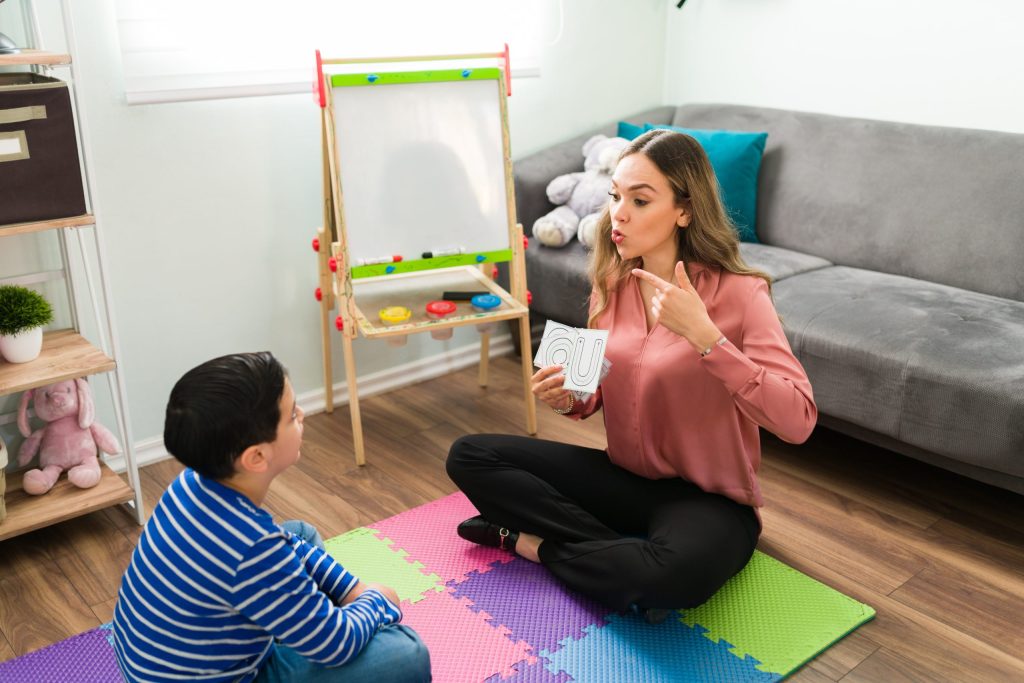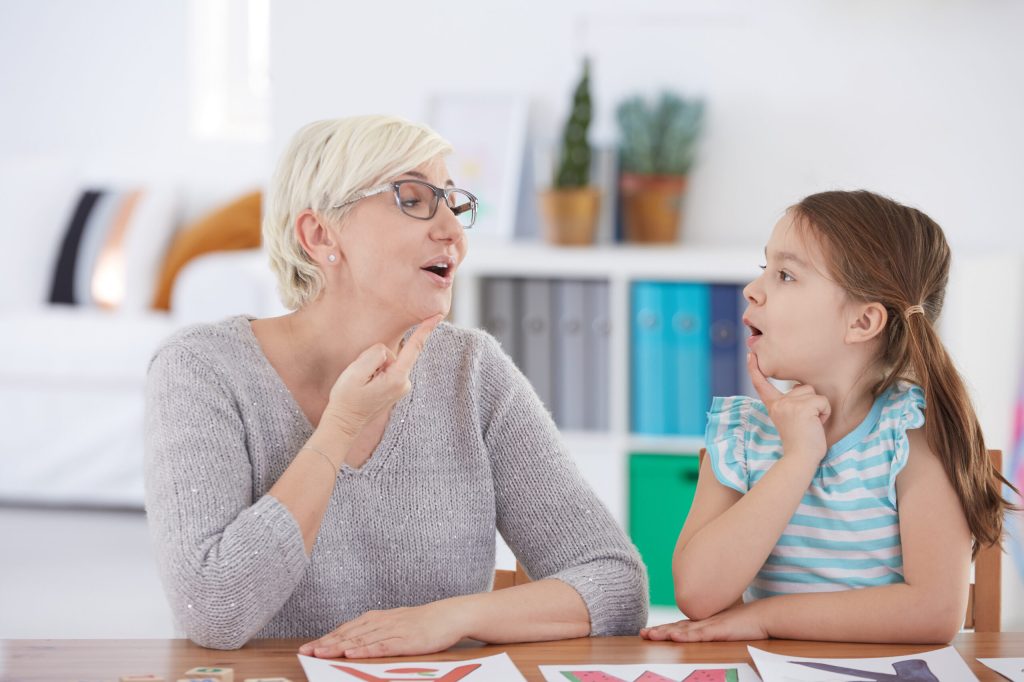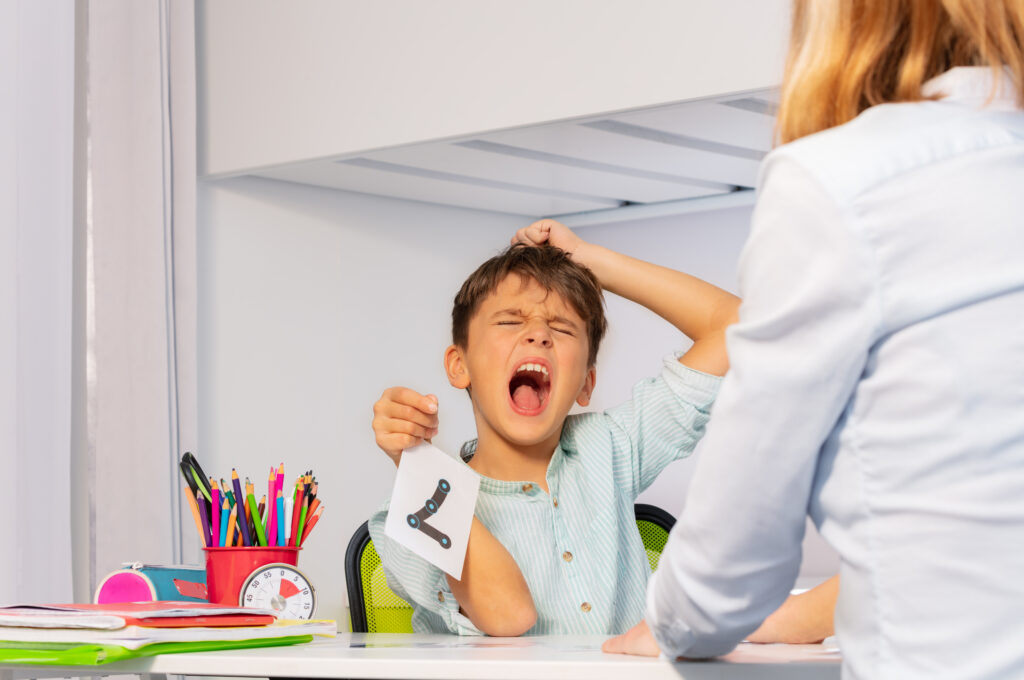
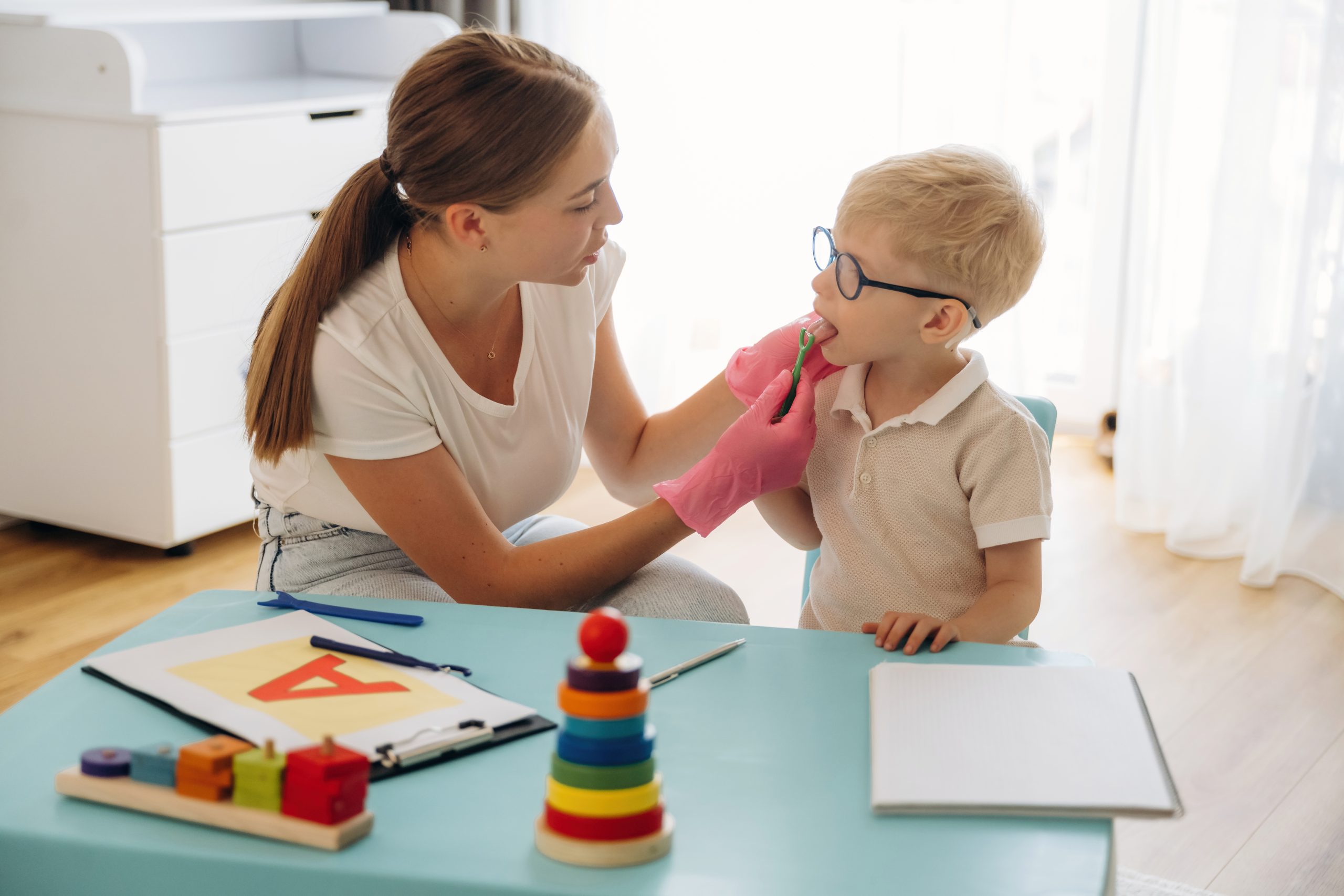
Speech and language therapy not only improves their speech but also enhances their confidence, clarity, and social communication. Developing social skills is essential for kids to have effective communication with others, especially other kids. Speech and language pathology makes it easier for kids to join their peers and connect with them, improving their confidence in social circles.
Why are social skills important in children?
Social skills are important for effective communication in kids. These are some ways social skills help kids
- Eye contact and body language
- Build connections
- Understand when to listen and how to join conversations
- Recognizing emotions
- Builds self-esteem
How Speech and Language Therapy Builds Social Skills
Social behaviors can be developed in children through multiple Speech and language therapy methods, some of which are
- Turn-taking Skills
Actively listening to the therapist and taking turns during activities like board games or storytelling can improve their rule-following skills and teach them to wait patiently for their turn.
- Peer Interaction
Children often observe and try to imitate their peers. Seeing other children with stronger social skills can automatically influence them to pick up the behavior. Also, peers with similar challenges will help reduce anxiety in your child.
- Real-life practice
Practicing social skills like greeting each other, asking questions, and resolving issues in a group setting or at home will help them to understand different personalities and conversations.
- Empathetic Teamwork
Activities like role-playing help children understand others’ behaviors and perspectives, which increases empathy and cooperation. These activities teach them to work together and support each other.
- Beginning Interactions
Children are taught to initiate conversations with their peers, which will help them interact with others.
- Conflict Resolution
Speech and Language Pathologists teach children methods to deal with conflicts healthily and constructively.
How can a Speech Language Pathologist be of use?
A Speech and Language Pathologist will examine your child’s existing social skills and communication abilities and create a Speech and Language therapy plan according to the child’s needs. They will help improve:
- Verbal and non-verbal communication skills
- Maintaining eye-contact during conversations
- Identifying and regulating their emotions
- Following directions
- Using appropriate language in each scenario
- Understand social behavior
- Maintain positive relations and interactions with others
If you notice your child facing communication difficulties early and begin speech and language therapy, there are higher chances that they will develop social and communication skills easily. Early intervention avoids self-esteem and academic issues growing up, and they are more likely to succeed in academics.
Through planned therapy sessions, children not only learn how to speak, but also learn to connect, interact, and express with others. Speech and language therapy can be a solid foundation for building communication and social skills.